


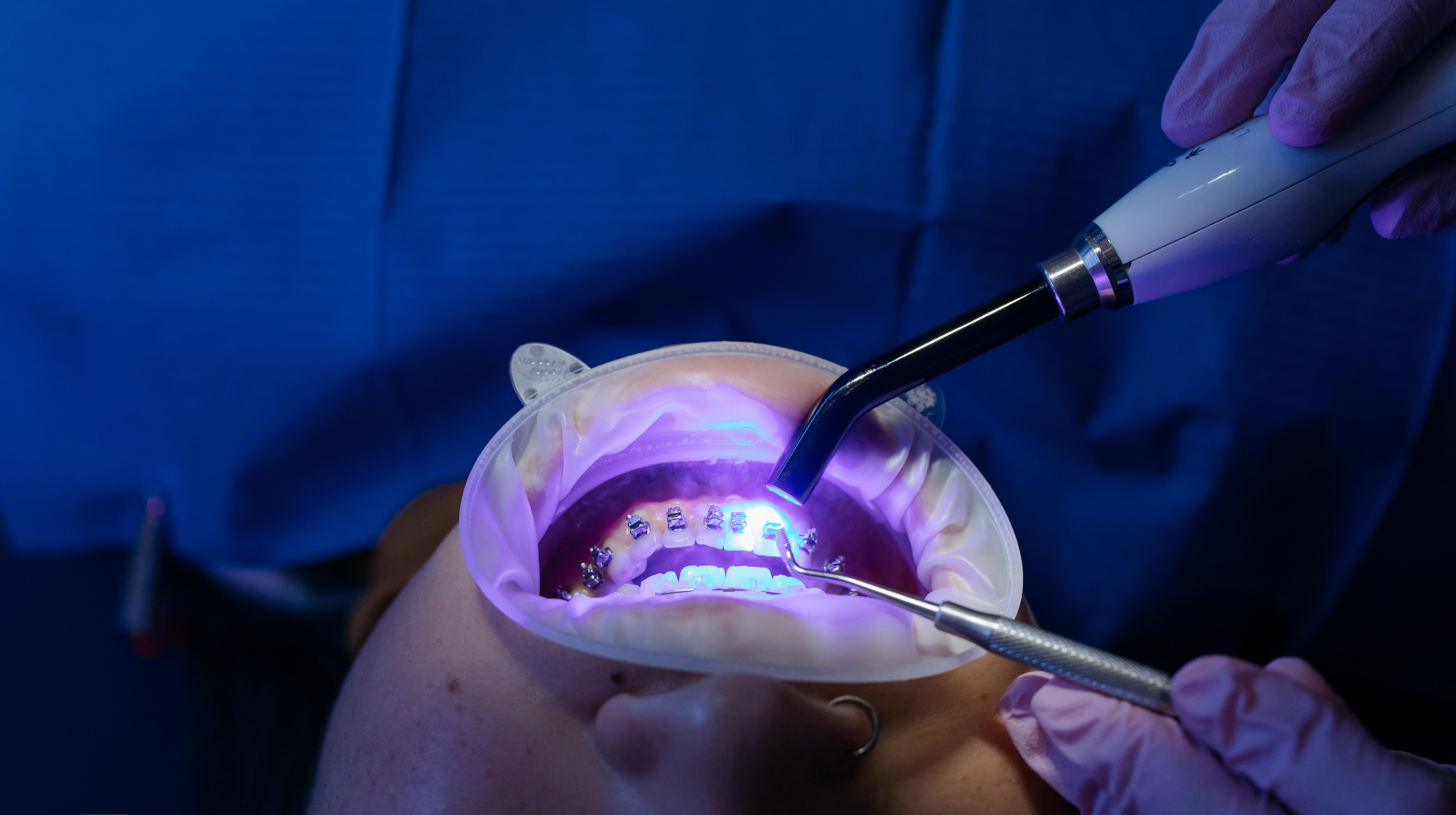
Orthodontics
Are your teeth crooked or misaligned? Orthodontic treatments can help! This specialty of dentistry focuses on correcting tooth and jaw misalignments to achieve a more confident smile and improve oral health.
Common Orthodontic Problems
It's common to feel alone when dealing with orthodontic problems like misaligned teeth or jaw issues. However, millions of people face similar struggles every year. In fact, according to research, approximately 65-75% of the world's population has some form of malocclusion. These misalignments can cause functional problems and negatively impact self-confidence, but they are treatable.
1. Malocclusion and Misaligned Teeth
Malocclusion is a technical term for a misalignment of your teeth when you close your mouth. You may have heard of terms like overbite, underbite, or crossbite, each of which is a common type of malocclusion. For example, in an overbite, the upper teeth are positioned too far forward of the lower teeth. In fact, this is quite common. According to research, approximately 23% of people have a pronounced overbite. Conversely, in an underbite, the lower teeth protrude more, giving the jaw a "bulldog" appearance. In a crossbite, some upper teeth fit inside the lower teeth, which can cause wear and tear over time.
There is also the issue of crooked teeth, which occurs when there isn't enough space for the teeth to comfortably position themselves in the mouth. This can cause the teeth to overlap and make cleaning difficult.
2. Skeletal Defects
In some cases, the problem isn't just the teeth themselves, but also the bone structure to which they are attached. Skeletal deformities occur when the upper and lower jaws are misaligned, often leading to serious bite problems, both functional and aesthetic. For example, Class II Malocclusion (often referred to as an overbite) results from misalignment of not only the teeth but also the jaw. Braces or clear aligners alone may not be sufficient to correct these problems. Depending on the severity of the condition, jaw surgery may also be necessary.
3. Aesthetic Concerns and Self-Esteem
Orthodontic problems can profoundly impact your self-esteem beyond physical discomfort. In a world where a smile is often seen as a reflection of self-confidence, misaligned teeth can make you feel uncomfortable in both social and professional settings. Research shows that people with straight teeth are perceived as 45% more likely to find employment than those with obvious dental defects.