


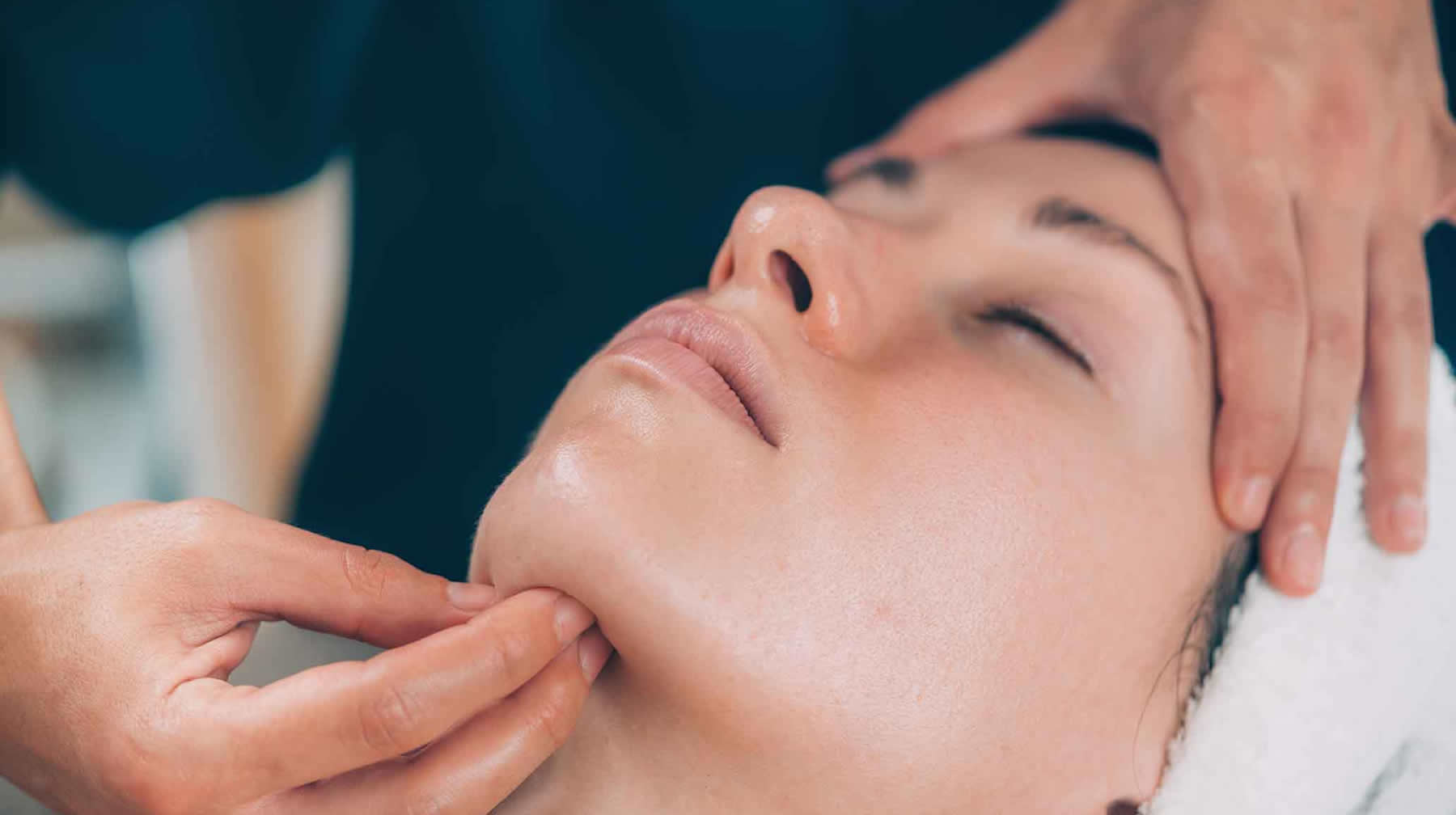
Chin Correction Surgery
Also known as orthognathic surgery, this surgical procedure corrects misaligned jawbones to improve the face in terms of both functional and aesthetic appearance. Whether you have a malocclusion, skeletal deformities, or facial asymmetry, chin correction surgery can help restore balance to your face.
Jaw problems can significantly impact your oral health, appearance, and overall health. The most common conditions are as follows:
Malocclusion and Its Consequences
Malocclusion, or misalignment of the teeth and jawbones, is a common dental problem. It can manifest in various ways. These include:
Upper bite: The upper teeth protrude forward of the lower teeth.
Under bite: The lower teeth protrude forward of the upper teeth.
Crossbite: Some or all of the upper teeth are nestled within the lower teeth.
Open bite: The upper and lower teeth do not touch when the jaw is closed.
Malocclusion can have a wide-ranging impact on your oral health. Examples of these effects include:
Excessive wear and tear: An overbite can cause premature wear of the front teeth, potential tooth loss, and aesthetic concerns.
TMJ strain: A crossbite can put excessive pressure on the jaw joints, leading to TMJ symptoms such as pain, clicking, and restricted jaw movement.
Difficulty chewing and biting: Malocclusion can make it difficult to properly chew and bite food, leading to stomach upset and digestive problems.
TMJ
TMJ refers to a group of disorders affecting the temporomandibular joint (TMJ), which connects the jawbone to the skull. Symptoms of TMJ include:
Jaw pain
Jaw dislocation and jaw clicking
Restricted jaw movement
Headache
Earache
TMJ is a complex disorder, and many different things can cause TMJ. Besides jaw misalignment, other factors can also contribute to the development of TMJ. These include:
Stress and anxiety: Emotional stress can exacerbate TMJ symptoms and even trigger new attacks.
Bruxism: Clenching or grinding your teeth, especially while sleeping, can put significant pressure on the TMJ.
Arthritis: Degenerative joint disorders like osteoarthritis can affect the TMJ, causing pain and stiffness.
Facial Asymmetry: More Than Appearance
Facial asymmetry occurs when the contours of your face are unbalanced. It can also be caused by genetic factors, trauma, and other underlying medical conditions. In some cases, it can be due to a birth defect or developmental problem. While it primarily affects a person's appearance, it can also lead to the following problems:
Chewing and speaking difficulties: If the jawbones are advanced, it can interfere with proper chewing and speaking functions.
Social and emotional difficulties: Facial asymmetry can affect a person's self-esteem and social interactions, leading to feelings of embarrassment and isolation.
If you experience any of these jaw-related conditions, it's crucial to see a qualified dentist. Early diagnosis and treatment can help prevent further complications and improve your quality of life.